
St. Louis Premises Liability Lawyer

Unsafe property conditions can leave you facing painful injuries, mounting medical bills, and lost income. Thompson Law helps you hold negligent parties accountable and pursue the compensation you deserve. 

Why Choose Thompson Law for a Premises Liability Claim?

Premises liability claims can arise from slip-and-fall accidents, unsafe staircases, poor lighting, and other hazardous property conditions. Thompson Law helps injured individuals in St. Louis understand their legal options and pursue compensation when negligence causes harm. 

Insurance Defense Experience

Tyler Thompson spent 12 years working in insurance defense and in-house insurance counsel roles, giving him insight into how insurers evaluate and challenge injury claims.

Identifying Responsible Parties

 We assess who owned, managed, or maintained the property to help determine who may be liable for your injuries.

Case-Specific Legal Guidance

 We review the circumstances of your accident, available evidence, and resulting losses to help you understand your legal options.

No Upfront Attorney Fees

We handle qualifying personal injury cases on a contingency fee basis. Attorney fees are payable from a recovery, subject to the terms of your agreement.

What Should You Do After an Injury on Someone Else's Property?

Taking the right steps after a property-related injury can help preserve important information about the incident and your potential claim.

1. Get Medical Attention

Have a medical professional evaluate your injuries. Some injuries may not be immediately apparent, so you may need follow-up care.

2. Report the Incident

Inform the property owner, manager, or business about the incident. Keep a record of when you reported it and whom you spoke with.

3. Document the Hazard

If possible, take photos of the unsafe condition, including damaged flooring, broken stairs, poor lighting, or missing warning signs.

4. Identify Witnesses

Ask anyone who saw the incident or noticed the hazard for their contact information. Their observations may help clarify what happened.

5. Preserve Relevant Documents

Keep incident reports, medical records, receipts, and correspondence related to the injury in one place.

6. Be Cautious With Insurance Settlements

Review settlement offers carefully before accepting them. Consider whether the proposed amount accounts for your medical expenses, lost income, and other injury-related losses.

7. Understand Your Legal Options

Consult a premises liability lawyer to discuss the incident, potential responsibility, and the legal requirements that may apply to your claim.

How Thompson Law Can Help With Your Premises Liability Case

Premises liability cases can involve complex questions about property maintenance, safety standards, and legal responsibility. Thompson Law examines these factors to help determine how a claim may proceed.

Investigating the Property

We review the circumstances of the accident and the condition of the property to understand how the injury occurred.

Preserving Evidence

Relevant surveillance footage, inspection logs, maintenance records, and incident reports may help establish the history of a hazardous condition.

Identifying Responsible Parties

Property owners, landlords, property managers, tenants, or maintenance contractors may share liability, depending on who controlled the area and was responsible for its upkeep.

Reviewing Insurance Coverage

We review potentially applicable insurance policies and address coverage issues that may affect the claim.

Documenting Injuries and Losses

Medical expenses, lost wages, future treatment costs, and the impact on daily activities help establish the financial and personal effects of the injury.

Negotiating With Insurance Companies

We address disputes over liability and compensation during settlement negotiations with insurers.

Preparing for Litigation

If negotiations do not result in a resolution, filing a lawsuit may be an option depending on the circumstances of the case.

Every case depends on its facts, and we cannot guarantee an outcome. Past results do not predict future outcomes.

Common Causes of Premises Liability Accidents

Unsafe property conditions can cause injuries in stores, apartment buildings, restaurants, parking lots, and other locations. The type of hazard, how it arose, and whether someone took reasonable steps to address it can affect a premises liability claim.

Slip and Fall Hazards

Wet floors, spilled liquids, and slippery surfaces can cause falls, especially when hazards go unaddressed or warning signs are missing.

Trip and Fall Hazards

Uneven pavement, cracked sidewalks, loose carpets, and damaged flooring can create obstacles that cause people to trip and fall.

Broken Stairs and Handrails

Damaged steps, loose handrails, and poorly maintained staircases can increase fall risk in residential and commercial properties.

Poor Lighting

Dim hallways, stairwells, and parking lots can make hazards harder to see and increase accident risk.

Falling Objects

Unsecured merchandise, poorly stored equipment, or loose fixtures can fall and injure visitors, customers, or tenants.

Unsafe Elevators and Escalators

Malfunctioning equipment, sudden stops, or inadequate maintenance can lead to falls and other injuries.

Inadequate Security

Insufficient security measures may contribute to foreseeable risks of assaults or other criminal acts on a property.

Swimming Pool Hazards

Missing barriers, unsafe pool surfaces, and inadequate safety measures can put swimmers and other visitors at risk.

Poorly Maintained Common Areas

Damaged walkways, broken gates, and neglected shared spaces can create hazards in apartment complexes and commercial properties.

Types of Premises Liability Cases We Handle

Slip and Fall Accidents

Wet floors, spills, and slippery surfaces can cause serious injuries in stores, restaurants, and other properties.

Trip and Fall Accidents

Uneven walkways, loose carpeting, damaged flooring, and misplaced objects can create unexpected tripping hazards.

Negligent Property Maintenance

Broken stairs, damaged railings, and unrepaired structural defects can put residents and visitors at risk.

Apartment and Rental Property Injuries

Poorly maintained shared hallways, staircases, and parking areas can leave tenants and visitors vulnerable to injury.

Inadequate Security

When reasonable security measures are lacking, assaults or other criminal acts on a property may lead to potential claims.

Falling Object Injuries

Unsecured merchandise, poorly stored equipment, and loose fixtures can fall and injure people on the premises.

Swimming Pool Accidents

Missing barriers, unsafe pool access, and other hazards can contribute to injuries at residential or commercial properties.

Parking Lot and Sidewalk Injuries

Damaged pavement, poor lighting, and unsafe walking routes can cause falls and other pedestrian injuries.


This list is not exhaustive. Each case has its own facts and legal considerations. We can review your situation and help you understand your options.

Who Can Be Held Responsible for a Premises Liability Injury?

Responsibility depends on who controlled the property, who was expected to maintain it, and who knew or should have known about the hazard.

Potentially responsible parties may include:

Property Owners

Owners may be liable when they fail to address hazardous conditions they knew or should have known about, where the law imposes that duty.

Commercial Landlords

Landlords may share responsibility for unsafe conditions in areas they control or maintain, depending on their obligations.

Property Management Companies

Property managers may be liable when neglected maintenance or unfulfilled safety duties contribute to an injury.

Business Owners and Tenants

Stores, restaurants, and hotels may be responsible for hazards in areas they occupy, operate, or control.

Maintenance and Cleaning Contractors

Contractors may share liability when negligent cleaning, repairs, or maintenance create or leave dangerous conditions unaddressed.

Security Companies

Security companies may be liable when their failure to meet applicable duties contributes to an injury on the property.

Contractors and Construction Companies

Contractors may be responsible when their work creates unsafe conditions that injure visitors or residents.

Government Entities

Government entities may be liable for certain injuries involving public property, subject to specific legal requirements and exceptions.

How Does Your Visitor Status Affect a Premises Liability Claim?

Your reason for entering a property may affect the duty of care owed to you under Missouri law.

Invitees

Customers and other visitors entering a public property may be classified as invitees, who are generally owed reasonable care.

Licensees

Social guests and others who enter with permission may be classified as licensees, whose legal protections depend on the circumstances.

Trespassers

People who enter or remain on property without permission may be classified as trespassers, though exceptions to the general rules may apply.

Claims involving government property may also have specific legal requirements and deadlines. A Missouri attorney can assess how these rules apply to your injury.

Evidence That Helps to Prove Your Premises Liability Claim

Photos and Videos

Photographs taken after the accident can document the hazard, its location, nearby warning signs, and the surrounding conditions before repairs or cleanup.

Surveillance Footage

Security camera footage may capture the accident, show when a hazard appeared, or record how employees responded.

Incident Reports

Reports filed with a store, landlord, or property manager can document when and where the accident occurred and how it was reported.

Witness Statements

People who saw the accident or noticed the hazard beforehand may provide details about the conditions and events leading up to the injury.

Medical Records

Medical records document diagnosed injuries, treatment received, and follow-up care. They can also help establish the timeline between the accident and when employees received medical attention.

Cleaning and Inspection Logs

These records show when employees last checked or cleaned an area and whether they followed the property’s inspection procedures.

Maintenance and Repair Records

Work orders and repair histories can identify earlier defect reports, previous repair attempts, or unresolved maintenance issues in the same area.

Previous Complaints

Complaints from customers, tenants, or employees may establish whether someone reported the same hazard before the accident and how the complaint was handled.

Warning Signs

Photographs, footage, or witness accounts may establish whether warning signs or barriers were present and where they were placed relative to the hazard.

Building Inspection Records

Inspection reports may document code violations, structural defects, or outstanding repair recommendations relevant to the condition involved in the accident.

Lost Income Records

Pay stubs, attendance records, and employer statements can document missed work and changes in earnings during recovery.

Expert Opinions

In cases involving complex building defects or safety issues, qualified experts may examine the property, review records, and explain how the condition contributed to the accident.

What Damages Can You Recover in a Premises Liability Claim?

If a property owner or another party is legally responsible for your injury, you may be able to seek compensation for the financial and personal losses resulting from the accident.

Medical Expenses

Emergency treatment, hospital stays, surgery, medication, and follow-up appointments may qualify as recoverable medical expenses related to the accident.

Future Medical Care

Ongoing rehabilitation, additional procedures, and long-term treatment needs may factor into compensation when supported by medical evidence.

Lost Wages

Income missed during recovery may be recoverable when employment and earnings records establish the financial loss.

Reduced Earning Capacity

Long-term limitations that affect your ability to work or earn at your previous level may support a claim for future income loss.

Pain and Suffering

Physical pain, emotional distress, and the impact of injuries on your quality of life may be considered when assessing non-economic damages.

Loss of Normal Daily Activities

Difficulty participating in hobbies, family activities, and everyday routines may be relevant when evaluating an injury’s broader effects.

Other Injury Related Expenses

Transportation to medical appointments and necessary household assistance may qualify as additional injury-related expenses, depending on the circumstances and applicable law.

Not every category applies to every case. The damages you may recover depend on the circumstances, available evidence, and applicable law.

How Much Is a Premises Liability Case Worth?

There is no fixed value for a premises liability claim. Two people injured in similar accidents may have different outcomes because their injuries, recovery, and evidence are different.

Factors that can affect the value of a claim include:

  • The severity of the injury
  • The cost of past and future medical care
  • Time missed from work
  • Long-term physical limitations
  • The effect on daily life
  • The strength of the evidence
  • Whether the responsible party disputes fault
  • The available insurance coverage
  • Whether the injured person shares any legal responsibility

Every premises liability case is different. No attorney can guarantee a specific settlement or verdict, and past results do not guarantee a similar outcome in your case. 

Missouri Premises Liability Laws That May Affect Your Case

§ 516.120 RSMo – Statute of Limitations

Missouri generally allows five years to file certain personal injury lawsuits under § 516.120 RSMo. Different deadlines or exceptions may apply depending on the claim and circumstances.

Property Owner’s Duty of Care

In private property cases, liability may depend on whether a dangerous condition existed and whether the property owner failed to use reasonable care to address it.

Proving Notice of a Hazard

Prior complaints, inspection records, or maintenance logs may help establish whether a property owner knew or should have known about a dangerous condition before the accident.

Comparative Fault

When an injured person shares responsibility for an accident, Missouri’s comparative fault principles may reduce damages recovered based on their share of fault.

Claims Against Government Entities

For injuries caused by dangerous conditions on public property, § 537.600 RSMo permits certain claims against government entities when statutory requirements are met.

Government Liability and Damage Limits

Claims against government entities may involve sovereign immunity and limits on liability or damages. § 537.610 RSMo addresses liability insurance and certain limits on public-entity claims.

This information is general and does not apply to every premises liability claim. The applicable laws and deadlines depend on the circumstances of the injury.

FREE Case Evaluation

"*" indicates required fields

16 yrs
of legal experience
$6M+
Recovered for clients
100+
Cases resolved
MO + IL
Licensed to practice
Client Reviews
Erin D
After a very negative experience with our first personal injury lawyer, Tyler Thompson renewed our faith in the legal system and exceeded our expectations as our represention. Tyler was very communicative, compassionate, diligent in moving our case along, and found us the right specialist who finally was able to give us an accurate diagnosis and treatment options. We highly recommend Tyler and the Thompson Law STL Firm! “
Colleen Kelly
After being unsatisfied with my initial representation, I contacted Tyler who was determined, informative and confident in my case from start to finish. Through the process, he offered updates and was able to get the matter resolved to satisfaction. Beyond this, he was personable and a pleasure to be represented by- after my case finally settled, he called me that day and offered to drop the check off to me at my work. I'll be sure to share his contact with anyone who may need representation. Thank you, Tyler!
Bel da Silva
Can't speak highly enough of Tyler! He always kept me up to date on the case and was able to get my settlement higher than what the other party wanted to pay. He was timely and all around a nice guy. He even picked me up on the way to mediation. He always listened to me and I really feel like at every step of the way had my best interest at heart. I wish I could give him 10 stars out of 5!
Jason Malacarne
Tyler Thompson was my attorney during a car accident situation where I was injured. He worked for a different firm at the time I hired him originally, but I liked him so much and felt he had strong character and integrity, I made the decision to stick with him as my attorney when he no longer worked there. Well, I couldn't have made a better decision. Tyler is not just a good attorney who delivers when he says he will, he is also a good person.
Injured in a Premises Liability

You don’t have to handle the claim alone. Contact Thompson Law for support.

Meet Your Attorney

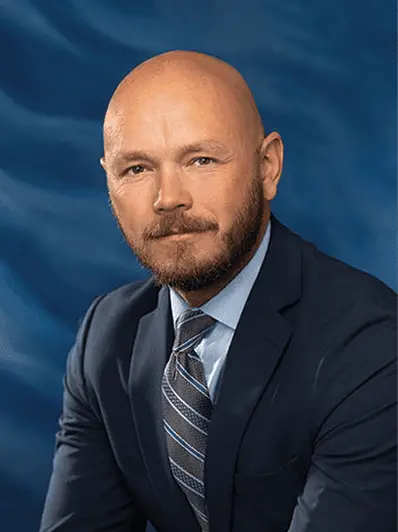
Meet Tyler Thompson, an experienced St. Louis personal injury attorney with more than 12 years of legal experience. Before focusing on representing injured individuals, Tyler worked in insurance defense, including serving as in-house counsel for a national insurance company.

That experience gives Tyler a firsthand understanding of how insurance companies evaluate personal injury claims. He knows the questions insurers may ask, the factors they consider, and the issues that can affect the value of a claim.

Today, Tyler uses that experience to build strong cases for injured clients and negotiate with insurance companies from a position of knowledge. His goal is to help clients understand their options and pursue the compensation they deserve.

Common Questions

Frequently Asked Questions About St. Louis Premises Liability accident

A premises liability claim may arise when someone is injured by a dangerous property condition, and a legally responsible party failed to meet the applicable duty of care. The circumstances and available evidence determine whether a claim may be valid.

You can claim if a business or another responsible party failed to address a dangerous condition as required by law and that failure caused your injury. Evidence about the hazard and the business’s knowledge of it may be important.

Not always actual knowledge. Evidence that the owner knew about the hazard or should have discovered it through reasonable care may help establish liability, depending on the circumstances and applicable Missouri law.

A warning sign does not automatically eliminate liability. Its visibility, placement, timing, and whether it reasonably addressed the hazard can affect how responsibility is assessed.

Yes. Missouri follows a pure comparative fault system, so an injured person’s compensation may be reduced in proportion to their share of fault rather than automatically barred.

Missouri generally allows five years for certain personal injury lawsuits under § 516.120 RSMo. Exceptions and different deadlines may apply, particularly for claims involving government entities, so the specific deadline must be confirmed before filing.

Preserve photographs of the hazard, incident reports, witness contact information, medical records, and relevant communications. Surveillance footage and maintenance records may also be important, so documenting the scene and requesting that relevant evidence be preserved promptly can strengthen your claim.

Yes, in certain circumstances. Missouri law allows specific claims involving dangerous conditions on public property, but governmental immunity and statutory requirements can limit recovery.

You are not required to hire a lawyer, but legal representation can be valuable when injuries are serious, liability is disputed, or an insurer challenges your losses. These issues can affect the evidence needed and the compensation available.

No. Many claims can be resolved through settlement negotiations. A lawsuit may be necessary when the parties cannot agree on liability or fair compensation, and the evidence will help determine the appropriate next step.

Get Your Free Case Review with a St. Louis Premises Liability Lawyer

You Don’t Pay Unless We Win. Speak with our experts today and secure the compensation you deserve.

Get Your Free Case Review