
St. Louis Motorcycle Accident Lawyer

If a careless driver or unsafe road caused your crash, you shouldn’t have to deal with the medical bills and insurance hassles alone. Thompson Law helps injured St. Louis riders protect their rights and recover the compensation they need to move forward.

Why Choose Thompson Law for Your St. Louis Motorcycle Accident Case

Overcoming Unfair Bias Against Riders

Accidents often involve disputes over visibility, right of way, speed, and lane position. Riding a motorcycle does not make you at fault. We build cases based strictly on evidence, physical reconstruction, and driver accountability and not any false assumptions.

Insider Knowledge of Insurance Defense

Tyler Thompson previously served as in-house counsel for a national insurance carrier. This background provides direct insight into how insurers evaluate risk, blame injuries, and structure their defense strategies. 

Evidence-Driven Case Strategy

We conduct a thorough independent investigation, analyzing roadway conditions, vehicle telemetry, witness statements, and complete medical records to capture the true scope of your damages.

No Upfront Costs

We handle cases on a contingency fee basis. You pay nothing unless we secure a settlement or verdict on your behalf. Our interests are fully aligned with yours: maximizing your recovery.

What To Do in the First 24 Hours After a Motorcycle Accident

The first hours following a motorcycle crash can be overwhelming. If you are physically able to do so, consider these steps.

1. Seek Emergency Medical Attention

Motorcycle crashes can result in serious injuries, including fractures, spinal injuries, traumatic brain injuries, and internal injuries. Get appropriate medical attention and follow your healthcare provider’s recommendations.

2. Call the Police

Report the accident as appropriate and cooperate with responding officers, because it can become an important source of information about the collision.

3. Document the Accident Scene

If it is safe to do so, photograph or record:

  • Vehicle damage
  • The surrounding roadway
  • Traffic signals and signs
  • Skid marks or debris
  • Weather and road conditions
  • Visible injuries
  • Other vehicles involved

4. Gather Witness Information

Obtain names and contact information for anyone who witnessed the crash. Independent witnesses may be particularly important when the drivers provide different accounts of what happened.

5. Exchange Insurance Information

Collect the other driver’s insurance and contact information and avoid arguing about fault at the scene.

6. Preserve Your Motorcycle and Riding Gear

Do not repair, sell, or dispose of the motorcycle before relevant evidence has been documented, particularly when liability or the condition of the motorcycle may be disputed.

Keep your helmet, clothing, gloves, boots, and other equipment involved in the crash. These items may also provide evidence about the accident and your injuries.

7. Keep Medical and Financial Records

Maintain records of medical treatment, bills, prescriptions, lost wages, and other accident-related expenses.

8. Be Careful With Insurance Communications

You may need to communicate with your own insurance company under your policy, but statements about the accident can become part of the claim evaluation, consider obtaining legal advice before making substantive statements about your claim.

9. Speak With an Attorney

If you suffered significant injuries, the other driver disputes responsibility, or the insurance company is challenging your claim, an attorney can review the evidence and explain your options.

How Thompson Law Can Help With Your Motorcycle Accident Case

Investigating the Crash

Determining liability requires looking at how the crash happened. We examine the mechanical, environmental, and driver-related factors that may have contributed to the collision, including road hazards, right-of-way issues, and possible vehicle failures.

Determining Who Is Responsible

The other driver may not be the only party responsible for a motorcycle accident. We investigate whether other parties, such as employers, commercial fleet operators, vehicle manufacturers, or government agencies, may also have liability.

Preserving Important Evidence

Evidence can disappear quickly. We work to preserve dashcam footage, surveillance video, vehicle data, witness statements, and other evidence that may help establish what happened.

Establishing Negligence

Insurance companies may argue that the rider was partly responsible for the crash. We use accident reports, traffic information, witness accounts, and other evidence to establish how the collision occurred and who may be responsible.

Calculating Your Losses

We document the losses caused by the accident, including medical expenses, future medical care, lost income, and the longer-term effects of your injuries.

Handling Insurance Negotiations

We handle communications and negotiations with the insurance company on your behalf and work to make sure the claim reflects the losses supported by the evidence.

Preparing for Litigation When Necessary

We prepare your case with litigation in mind from the start. If a fair settlement cannot be reached, we can take the next steps toward filing a lawsuit and pursuing your claim in court.

Common Causes of Motorcycle Accidents in St. Louis

Motorcycle crashes can occur for many different reasons. Common contributing factors include:

Drivers Not Seeing Motorcycles

Motorcycles have a narrow profile, making them harder to spot in traffic. Drivers may cause collisions by failing to check blind spots before turning, merging, or changing lanes.

Not Yielding the Right of Way

Drivers who fail to yield, especially when turning left across traffic, can cause serious intersection collisions.

Distracted Driving

Texting, phone use, or adjusting vehicle controls can prevent drivers from reacting to motorcycles or changing traffic conditions.

Unsafe Lane Change

Changing lanes without signaling or checking blind spots can lead to a collision with a motorcycle.

Following Too Closely

Tailgating can leave a driver with insufficient time to stop if the motorcyclist brakes suddenly.

Speeding

Excessive speed can reduce reaction time and increase the severity of a collision.

Impaired Driving

Alcohol, drugs, or certain medications can impair a driver’s judgment, depth perception, and reaction time.

Aggressive Driving

Erratic lane changes, unsafe passing, and road rage can increase the risk of a collision.

Poor Road Conditions

Potholes, loose gravel, debris, and uneven construction surfaces can pose a particular danger to motorcycles and may cause a rider to lose control.

The presence of these factors does not automatically establish legal liability. Liability depends on the evidence and the circumstances of your crash.

Types of Motorcycle Accidents We Handle

Types of Motorcycle Accidents We Handle

Thompson Law evaluates a full range of motorcycle accident claims, including:

  • Car and commercial truck collisions
  • Left-turn and intersection crashes
  • Rear-end and blind-spot lane-change collisions
  • Hit-and-run accidents
  • Distracted and drunk-driving crashes
  • Multi-vehicle pileups
  • Dangerous road hazards and construction conditions
  • Defective motorcycle parts or component failures

Each collision type involves different evidence and legal liability issues.

Common Motorcycle Accident Injuries

Motorcycle riders lack the structural enclosure, airbags, and seatbelt restraints found in passenger vehicles. As a result, a crash can cause serious injuries, including:

Traumatic Brain Injuries (TBI)

Concussions, skull fractures, and other brain injuries caused by direct impact or sudden movement of the head.

Spinal Cord & Back Injuries

Herniated discs, fractured vertebrae, and spinal cord damage that can cause partial or complete paralysis.

Lower-Extremity Injuries

Leg fractures, severe knee ligament tears, and crush injuries from the impact of the motorcycle or roadway.

Soft-Tissue Injuries

Muscle, ligament, and tendon injuries can cause pain and limit mobility.

Severe Road Rash & Friction Burns

 Deep abrasions and tissue loss that may require specialized wound care and, in more serious cases, surgical treatment or skin grafting.

Upper-Extremity Fractures

Broken wrists, arms, collarbones, and shoulders that can occur when a rider braces during a crash or lands on an arm or shoulder.

Internal Organ Damage

Blunt-force trauma that can cause internal bleeding or injuries to organs such as the lungs, spleen, liver, and kidneys.

Severe Nerve Damage

Stretched or severed nerves, including brachial plexus injuries, can cause numbness, weakness, loss of motor control, or chronic pain.

Who Can Be Held Liable for a St. Louis Motorcycle Accident?

Establishing liability requires looking at the different factors that may have contributed to the crash and identifying who may be responsible:

Negligent Drivers

Motorists who fail to check blind spots, make improper left turns across oncoming traffic, speed, drive distracted, or violate Missouri right-of-way laws.

Commercial Drivers and Employers

If the at-fault vehicle was a delivery truck, rideshare, or freight carrier, the driver’s employer or another responsible business entity may also be liable, depending on the relationship between the driver and the company and the circumstances of the crash.

Motorcycle and Parts Manufacturers

Under Missouri’s product liability statute, a party in the product’s chain of commerce may be held strictly liable in certain circumstances when a defective or unreasonably dangerous product causes injury. For a motorcycle crash, this could include a defective brake, tire, or other component that contributed to the accident.

Government and Roadway Entities

Under Missouri law, sovereign immunity is waived in certain cases involving dangerous conditions on public property, but specific requirements must be met. For example, a dangerous roadway condition may be relevant when a pothole, construction area, traffic signal, or other defect contributes to a motorcycle crash.

Multiple Liable Parties

Missouri’s comparative-fault rules can affect how responsibility is divided when more than one party contributes to an accident. A motorcycle crash may involve multiple parties, including drivers, contractors, businesses, or other entities.

Missouri Motorcycle Laws That May Affect Your Claim

Missouri has specific rules for motorcycle helmet use, and helmet use can also become an issue when an insurer argues that a rider contributed to their injuries.

Missouri Helmet Requirements Riders and passengers under 26, as well as people operating with an instruction permit, generally must wear protective headgear. Riders age 26 and older may ride without a helmet if they meet the law’s insurance requirements.

Comparative Fault: Missouri follows a pure comparative-fault approach. If a rider is found partly responsible for an accident or their injuries, their recovery may be reduced based on their share of fault.

Helmet Use and Liability: Not wearing a helmet does not by itself determine who caused the crash. The circumstances of the collision still matter, including whether another driver ran a light, turned in front of the motorcycle, or moved into the rider’s lane

An insurance company’s assessment of fault is not necessarily the final word. The evidence from the crash and the circumstances of the rider’s injuries can affect how responsibility is determined.

Compensation Potentially Available After a Motorcycle Accident

The damages available in a motorcycle accident case depend on the facts, the injuries, the evidence, and applicable law. Potential compensation may include:

Medical Expenses

Emergency transport, hospital stays, surgeries, and treatment related to injuries caused by the crash when supported by medical records.

Future Medical Care

Long-term physical therapy, specialized rehabilitation, prescription medication, and future corrective procedures for serious trauma.

Lost Income

Documented wages, overtime, and benefits lost while your injuries prevent you from working.

Loss of Earning Capacity

Compensation if permanent physical limitations or disability diminish your ability to perform your job or earn income in the future.

Pain and Suffering

Compensation for the physical pain, acute trauma, and emotional distress caused by the collision and your recovery.

Permanent Impairment or Disfigurement

Lasting physical limitations, loss of mobility, or permanent scarring and road rash trauma.

Property Damage

The cost to repair or replace your motorcycle, helmet, protective riding gear, and other damaged personal property.

How Much Is a St. Louis Motorcycle Accident Case Worth?

There is no standard settlement amount for motorcycle accident cases. The value of a claim can vary substantially based on factors such as:

  • Severity and type of injuries
  • Extent of immediate and future medical treatment
  • Total lost income and impact on long-term earning capacity
  • Permanent physical impairment, scarring, or disability
  • Pain, suffering, and loss of quality of life
  • Strength of liability evidence proving the other driver’s fault
  • Missouri comparative fault considerations 
  • Available insurance coverage and policy limits (commercial policies, bodily injury, and UM/UIM coverage)
  • The long-term physical and financial impact on the rider’s daily life

Because every rider’s path to recovery is unique, our team builds a individual case valuation process based on the specific evidence, medical documentation, and insurance limits in your case.

16 yrs
of legal experience
$6M+
Recovered for clients
100+
Cases resolved
MO + IL
Licensed to practice
Client Reviews
Erin D
After a very negative experience with our first personal injury lawyer, Tyler Thompson renewed our faith in the legal system and exceeded our expectations as our represention. Tyler was very communicative, compassionate, diligent in moving our case along, and found us the right specialist who finally was able to give us an accurate diagnosis and treatment options. We highly recommend Tyler and the Thompson Law STL Firm! “
Colleen Kelly
After being unsatisfied with my initial representation, I contacted Tyler who was determined, informative and confident in my case from start to finish. Through the process, he offered updates and was able to get the matter resolved to satisfaction. Beyond this, he was personable and a pleasure to be represented by- after my case finally settled, he called me that day and offered to drop the check off to me at my work. I'll be sure to share his contact with anyone who may need representation. Thank you, Tyler!
Bel da Silva
Can't speak highly enough of Tyler! He always kept me up to date on the case and was able to get my settlement higher than what the other party wanted to pay. He was timely and all around a nice guy. He even picked me up on the way to mediation. He always listened to me and I really feel like at every step of the way had my best interest at heart. I wish I could give him 10 stars out of 5!
Jason Malacarne
Tyler Thompson was my attorney during a car accident situation where I was injured. He worked for a different firm at the time I hired him originally, but I liked him so much and felt he had strong character and integrity, I made the decision to stick with him as my attorney when he no longer worked there. Well, I couldn't have made a better decision. Tyler is not just a good attorney who delivers when he says he will, he is also a good person.
Injured in a Motorcycle accident?

You don’t have to handle the claim alone. Contact Thompson Law for support.

Meet Your Attorney

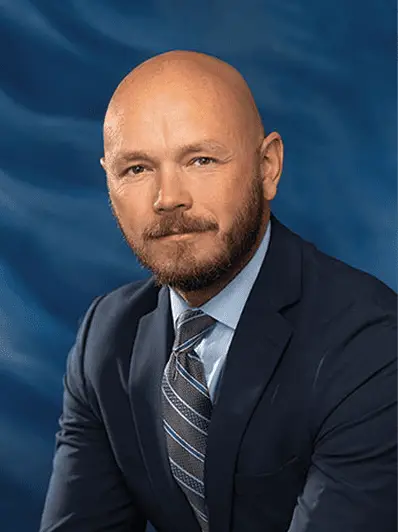
Meet Tyler Thompson, an experienced St. Louis personal injury attorney with more than 12 years of legal experience. Before focusing on representing injured individuals, Tyler worked in insurance defense, including serving as in-house counsel for a national insurance company.

That experience gives Tyler a firsthand understanding of how insurance companies evaluate personal injury claims. He knows the questions insurers may ask, the factors they consider, and the issues that can affect the value of a claim.

Today, Tyler uses that experience to build strong cases for injured clients and negotiate with insurance companies from a position of knowledge. His goal is to help clients understand their options and pursue the compensation they deserve.

Common Questions

Frequently Asked Questions About St. Louis Motorcycle Accident Claims

Minor property-damage claims can often be handled directly. However, if you suffered significant injuries, require ongoing medical care, or face an insurer attempting to shift blame, an attorney can help you understand your options and assess the losses associated with your injuries.

Under RSMo § 516.120, Missouri generally provides a five -year limitations period for certain personal injury actions. However, wrongful death claims generally have a 3-year limitations period under RSMo § 537.100. If you have claims involving government entities can have additional requirements and should be reviewed promptly.

Yes. Under RSMo § 302.020, riders under 26 generally must wear protective headgear, while qualifying riders 26 and older may ride without it subject to the statutory requirements. Not wearing a helmet does not, by itself, establish comparative fault. The effect of helmet use on a particular injury or damages claim can depend on the facts and applicable law.

A driver stating “I didn’t see the motorcycle” is an admission of failing to keep a careful lookout, not a valid legal defense. The circumstances of the crash, including visibility, traffic conditions, vehicle positions, and witness accounts, can help determine what happened.

Your own insurance policy may provide uninsured motorist coverage, depending on the circumstances and policy terms. Missouri law addresses uninsured motorist coverage in §379.203.

Insurance adjusters frequently may argue that a rider’s speed or actions contributed to the crash. Physical evidence, including skid marks, vehicle ECM data, and roadway visibility, may help establish how the crash occurred and whether an allegation of rider fault is supported by the evidence.

Before giving a recorded statement to the other driver’s insurance company, consider getting legal advice, particularly if you suffered significant injuries or liability is disputed. Adjusters may ask questions about the crash, your injuries, and your prior medical history that can later become part of the claim evaluation.

If the other motorist is uninsured or flees the scene, you may be able to seek compensation through your own uninsured motorist coverage, or can seek compensation directly through your own policy’s Uninsured Motorist (UM) or Underinsured Motorist (UIM) coverage.

Some injury symptoms may not appear immediately. For example, concussion symptoms can develop hours or days after an injury. Seek medical attention promptly and inform your provider when your symptoms began and how they relate to the accident.

Settling before you reach Maximum Medical Improvement (MMI) can make it harder to account for future medical needs if those needs are not yet clear. Some cases resolve relatively quickly, while others take much longer because of serious injuries, disputed liability, insurance issues, or litigation.

Get Your Free Case Review with a St. Louis Motorcycle Accident Lawyer

You Don’t Pay Unless We Win. Speak with our experts today and secure the compensation you deserve.

Get Your Free Case Review